

Industry News
How to Use Dremel Sanding Bits for Wood Projects
When tackling intricate curves and fine details in woodworking, Dremel sanding bits are the essential tool for achieving a smooth, professional finish. This guide will walk you through using Dremel sanding bits effectively, covering crucial safety practices and how to select the right bit for every task, from shaping to final polish.
Sanding Drill Bit Quick Guide
| Drill Bit Type | Suitable Woodworking Task | Recommended Grit | Key Operating Techniques |
| Sanding Drum/Belt | Coarse grinding, quick shaping, trimming straight edges. | Coarse to Medium (#60 - #120) | Keep moving, apply even pressure, avoid stopping. |
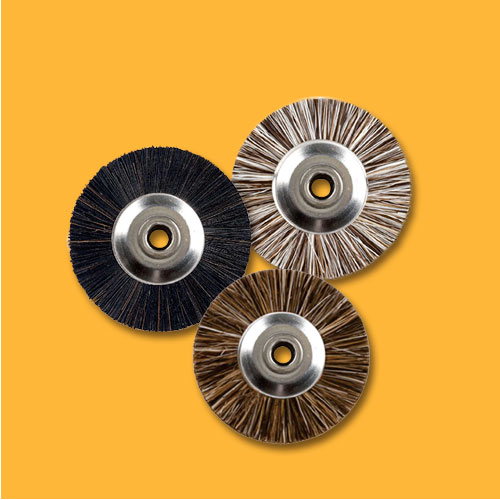
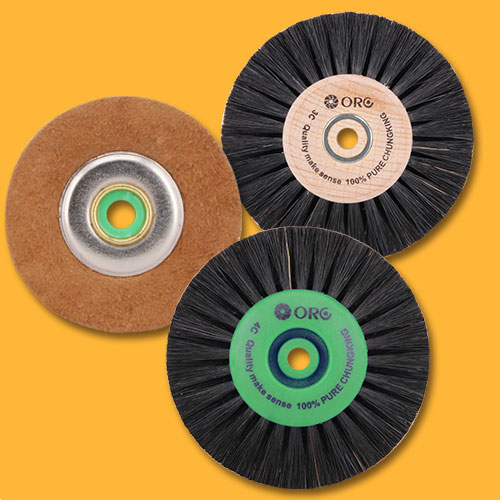
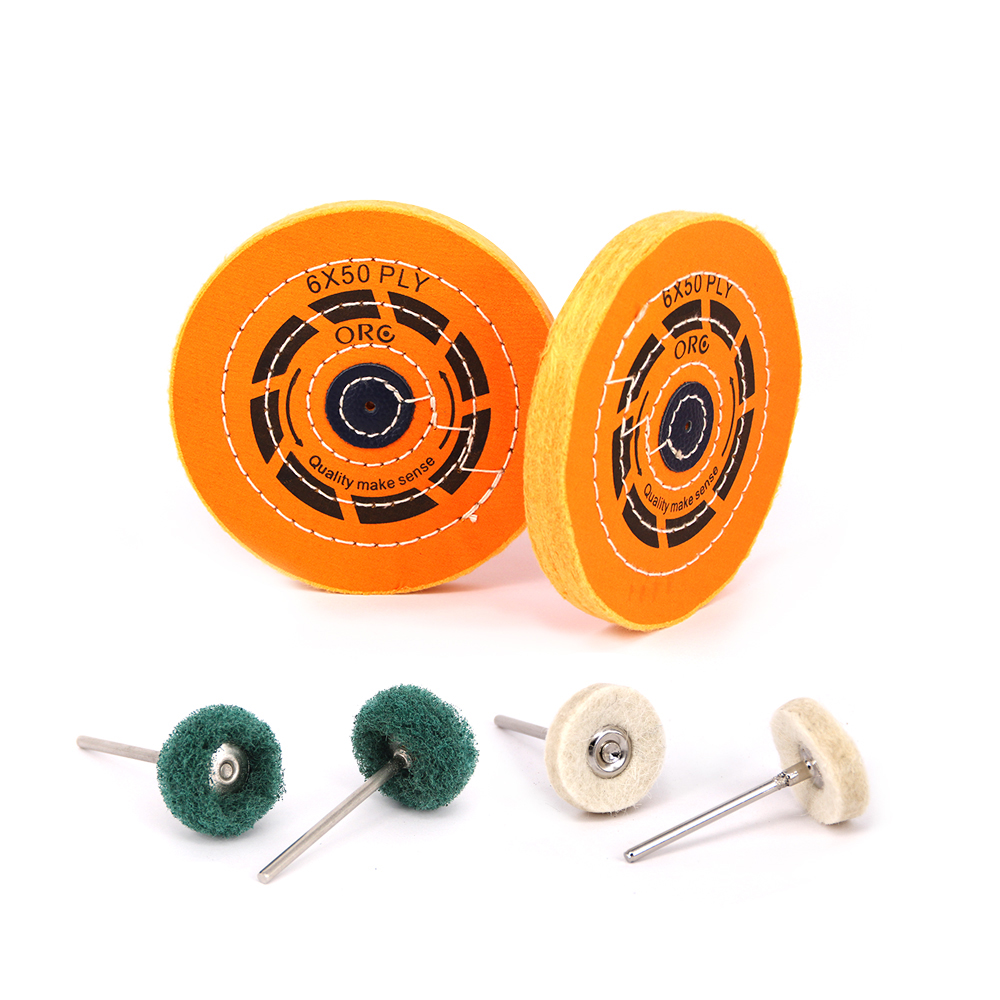
| Sanding Disc Wheel | Trimming curves, contours, rounding corners, and handling irregular surfaces. | Medium to Fine (#120 - #180) | Gentle pressure, using flexibility to adapt to the workpiece shape. |
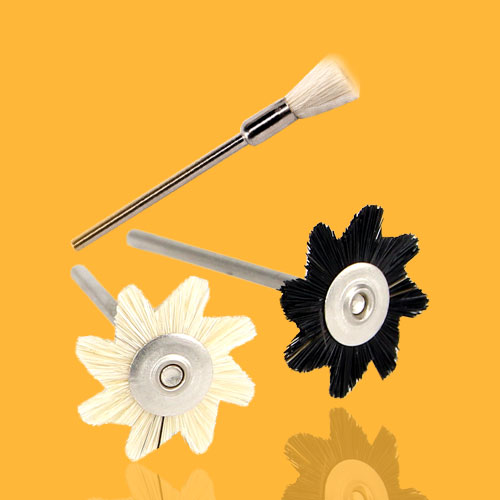
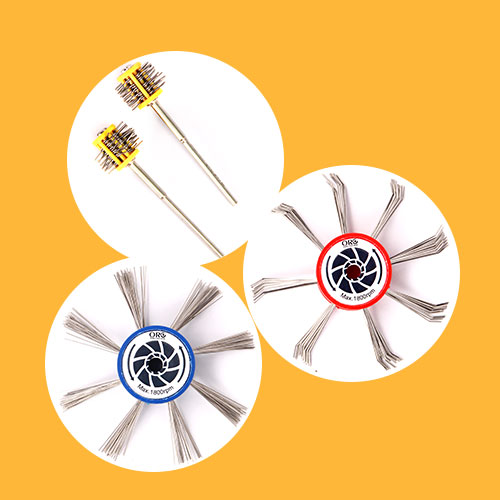
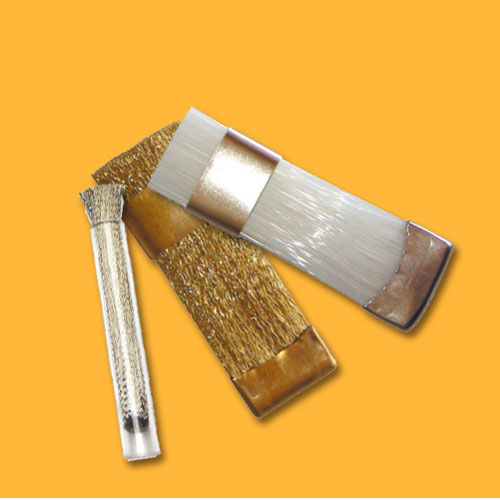
| Abrasive Brush | Cleaning engraved details, removing burrs or residue from grooves. | Fine (#180+) | Very low pressure, primarily for cleaning and slight smoothing. |
| Small Sanding Points | Sanding narrow areas, corners, and inner edges. | Medium to Fine (#120 - #240) | Proceed with care, avoiding over-sanding surrounding areas. |
I. Safety and Setup Essentials
Before you even plug in your rotary tool, proper preparation is essential for safety and quality results.
1. PPE and Workbench Safety
Safety is non-negotiable when working with high-speed rotary tools.- Mandatory Protection: Always wear safety goggles to protect against flying dust and debris. Given the fine wood dust produced, a high-quality dust mask is also a must.
- Workpiece Securing: The Dremel's high RPM can cause small pieces of wood to jump or rotate. Ensure the wood is securely held in place using clamps, vises, or a stable jig to prevent it from springing back or shifting dangerously.
2. Sanding Bit Installation and Speed Settings
Choosing the right speed (RPM) and ensuring your bit is secure will prevent damage to your project and your tool.- Proper Installation: Securely insert the shank of the sanding bit into the Dremel's chuck or collet. Use the supplied wrench to tighten the collet nut. A bit that is loosely installed can cause vibration, poor sanding quality, and may even fly out—always double-check that the bit is secure before turning the power on.
- Speed Recommendations: The right speed depends heavily on the wood type. For softer woods like pine or cork, use lower speeds to avoid the wood overheating and scorching. For harder woods, you can use a medium to high speed for efficient material removal. A good practice is to start with a medium speed setting and gradually adjust upward until you achieve the desired sanding rate without burning the wood.
II. Selecting and Using Sanding Accessories Based on the Task
The power of the Dremel lies in its array of specialized attachments. Choosing the right sanding bit for the job is the biggest secret to getting a flawless finish.1. Coarse Shaping: Using the Sanding Drum
When you need to quickly shape wood, trim straight edges, or remove large amounts of material, you should reach for the most common attachment: the sanding drum/belt.
- Tool: Sanding Drum/Belt
- Grit: Start with a coarse grit (#60 - #80).
- Technique: Keep the tool gentle and steady. Use the side of the drum rather than the very tip to ensure an even surface and prolong abrasive life. Always move the tool in the direction of the wood grain where possible to minimize visible scratches. Maintain continuous, sweeping motion—like painting—to prevent the concentration of heat and material removal in one spot.
2. Smooth Curves: Using Disc Wheels and Small Drums
For finishing irregular curves, complex contours, or rounding corners, use a sanding disc wheel (flap wheel) or a small sanding drum.
- Tool: Sanding Disc Wheel or Small Sanding Drum
- Grit: Transition to a medium grit (#100 - #120).
- Technique: The goal here is finesse. Apply very light pressure and let the RPM do the work. When rounding an exterior corner, move the tool at a 45-degree angle to create a uniform chamfer, then roll it slightly to blend the edges. For tight internal curves (coves), use the curved edge of the small drum, rolling the tool slightly to match the radius. Never hold the tool stationary on a curve, as this quickly creates flat spots.
3. Detail Work: Using Sanding Points
When tackling the final detail refinement in narrow corners, grooves, or engraved details, switch your approach.
- Tool: Abrasive Brush or Small Sanding Point/Tapered Drill Bit
- Grit: Use a fine grit (#180 - #240+).
- Technique: Precision is paramount. Hold the tool like a pen, using your fingers for fine control. Use the abrasive brush to gently scrape across the grain in deep grooves to lift and remove fuzz without gouging the wood. For sanding tight 90-degree corners, use the tapered point and only allow the very tip to make contact. Work slowly and constantly check your progress; a small Dremel bit can remove too much detail in an instant.
Conclusion
Mastering the Dremel sanding bits transforms your ability to execute high-quality woodworking finishes. Remember the four pillars of successful Dremel sanding: the correct rotation speed, gentle pressure, continuous movement across the wood surface, and the proper grit progression from coarse to fine. Achieving smooth curves and flawless details is now well within your reach.Ready to enhance your detailing capabilities? To explore our complete range of specialized sanding accessories designed for precision, including high-performance sanding drum kits, visit the Orobrush website today and get the professional tools you need for your next project.