

Industry News
What Does Buffing Jewelry Do?
Jewelry carries stories, memories, and emotional as well as monetary value. But over time, even the most treasured pieces can lose their original shine—succumbing to daily wear, fine scratches, and the dulling effects of tarnish. That’s where the art of jewelry buffing comes in—reviving worn pieces and restoring their brilliance.
At its core, buffing is a meticulous process of smoothing and refining the surfaces of metals and gemstones. It’s far more than just cleaning. Using abrasive materials, the process removes microscopic flaws, creating a surface so smooth and reflective that it catches light in all the right ways, revealing the jewelry’s true luster.
Professional Buffing Is Better For:
By learning what buffing actually does—and when to do it—you’re better equipped to care for the pieces that mean the most. With the right knowledge, tools, and timing, buffing becomes not just a maintenance step, but an act of preservation and celebration.
At its core, buffing is a meticulous process of smoothing and refining the surfaces of metals and gemstones. It’s far more than just cleaning. Using abrasive materials, the process removes microscopic flaws, creating a surface so smooth and reflective that it catches light in all the right ways, revealing the jewelry’s true luster.
The "Why": More Than Just Shine — The Deeper Benefits of Buffing
Buffing delivers more than just a beautiful finish. It’s a vital part of jewelry care, with benefits that go beyond appearances.Revealing True Brilliance
The most noticeable impact of buffing is the way it restores shine. Think of a dull silver bracelet or a gold ring covered in fine scratches—buffing removes oxidized layers and surface flaws, allowing the natural gleam to reemerge. For gemstone settings, a polished metal surface enhances the stone’s brilliance by acting as a clean, reflective backdrop. In essence, buffing revives the original craftsmanship behind every piece.Improving Durability and Longevity
A smoother surface doesn’t just look better—it performs better. Fine scratches and rough spots can trap dirt, oils, and pollutants, speeding up tarnish and making cleaning harder. Buffing eliminates these traps, reducing long-term buildup and wear. It also prevents snagging on fabrics, which can lead to bent settings or broken chains.Restoring Worn or Neglected Jewelry
Buffing can bring old, forgotten jewelry back to life. Whether it’s a family heirloom or a beloved ring worn every day, years of tarnish, grime, and scuffing can make it look beyond saving. But through a careful, multi-step buffing process, those surface layers can be removed—revealing the clean metal underneath. It’s a transformation that lets pieces be worn and appreciated once more, sometimes looking as good as new.The "How": Buffing Basics and Safe Techniques
Whether you're considering a DIY approach or going to a professional, understanding the fundamentals of jewelry buffing is essential.Essential Tools and Materials
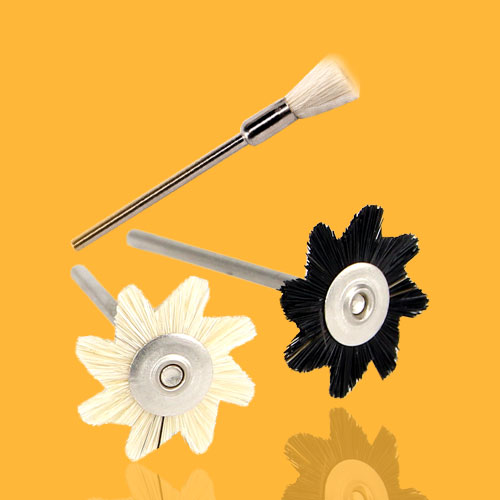
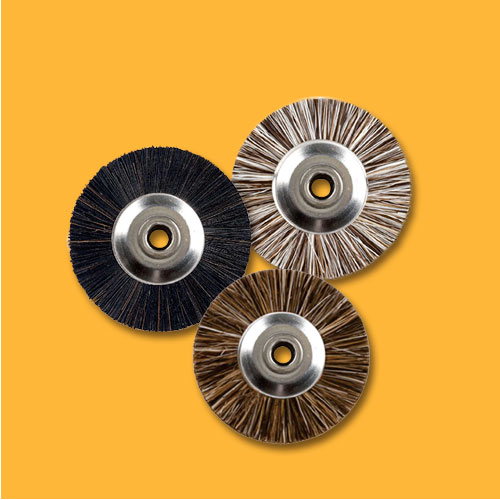
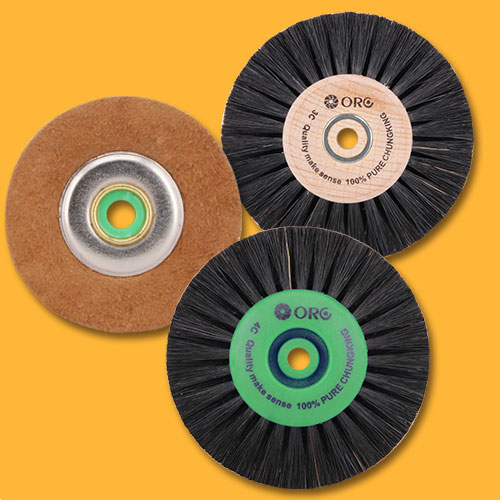
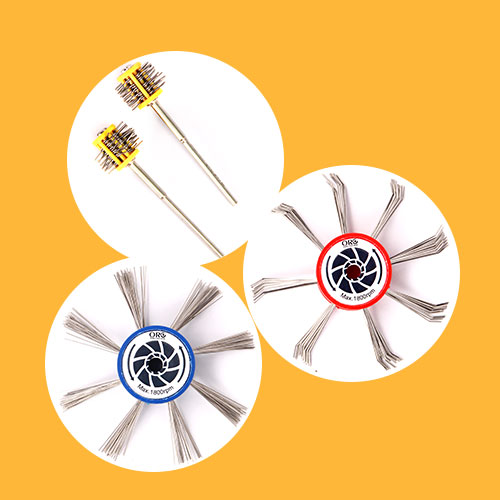
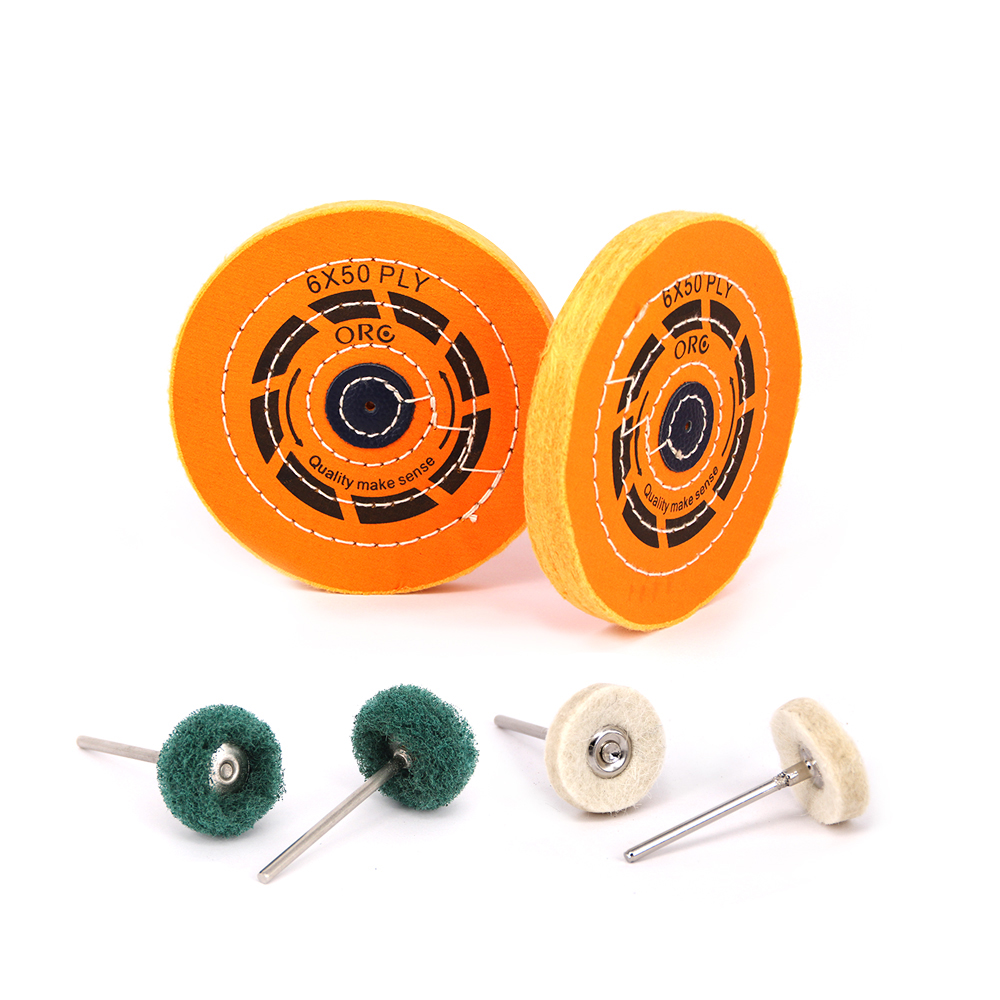
Jewelry buffing involves both mechanical motion and specific materials. Core tools include:- Buffing Wheels: Made of cotton, felt, or flannel, in varying densities, these are attached to rotary tools or flexible shafts to hold polishing compounds.
- Buffing Compounds (Rouge): These fine abrasives are applied to wheels to achieve different finishes—from cutting compounds like tripoli to finishing rouges like red and white. Each serves a different purpose in the polishing sequence.
- Cleaning Solutions: Used before and after buffing to remove dirt and residual compounds.
Step-by-Step Process
Although the process may vary by material and desired outcome, the basic flow includes:- Pre-cleaning: Dirt and oils must be removed first. This avoids contaminating the wheel and prevents grit from embedding into the metal.
- Applying Compound: The buffing wheel is charged with a compound through friction.
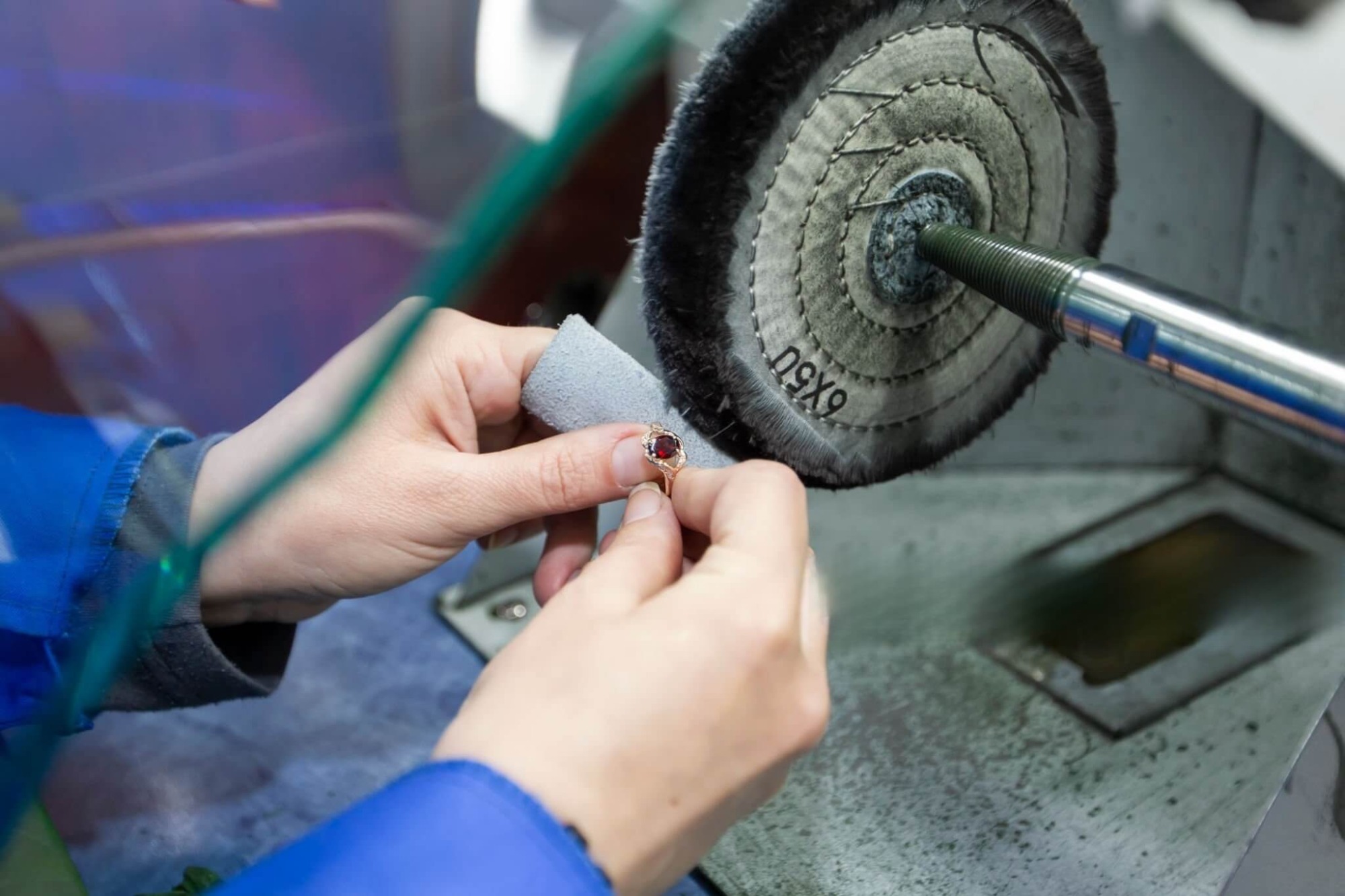
- Buffing: The jewelry is gently held against the rotating wheel. Light pressure and constant movement are key to avoiding uneven finishes or heat damage. A sequence of wheels and compounds—from coarse to fine—may be used.
- Final Cleaning: After buffing, the jewelry is cleaned again, often with ultrasonic or special cleaning solutions, to remove residue and reveal the final shine.
Safety First: Buffing With Caution
Buffing involves rotating tools, heat, and abrasive particles. Take safety seriously:- Eye Protection: Always wear goggles or safety glasses.
- Hand Protection: Gloves can prevent abrasions, though some jewelers skip them for better control with delicate pieces.
- Ventilation: Work in a well-ventilated space and wear a dust mask to avoid breathing in fine particles.
- Grip and Control: Hold pieces securely to avoid accidents.
- Heat Awareness: Prolonged buffing generates heat—especially important when working near delicate stones.
Knowing When (and When Not) to Buff
Not every piece should be buffed the same way—or even at all. Consider the condition, materials, and sentimental value before deciding.Routine Touch-Ups vs. Deep Restoration
- Light Maintenance: A polishing cloth with a mild abrasive is enough to remove fingerprints or light tarnish between deep cleans.
- Serious Scratches or Dullness: Heavier buffing is required and may be done at home with the right tools or by a professional.
DIY vs. Professional Buffing
DIY Buffing Works Best For:- Solid metal pieces with simple designs (e.g., gold bands, silver pendants)
- Superficial scratches and mild tarnish
- Practice with non-valuable items
- Thinly plated jewelry (buffing can strip the layer)
- Antique or heirloom pieces with patina or intricate details
- Jewelry with soft or heat-sensitive gemstones (pearls, opals, emeralds)
- Deep gouges or structural damage (may need pre-polishing or repair)
- Intricate filigree work where access to all surfaces is difficult
When Buffing Could Do Harm
Avoid buffing if:- The piece is heavily plated—the process will likely remove the plating entirely.
- You want to preserve an antique patina—buffing will erase this aged look.
- The jewelry has soft, porous stones—these can be scratched, discolored, or even cracked by heat and abrasives.
- Settings are loose—buffing could dislodge stones. Check all prongs and mountings beforehand.
Conclusion: More Than Just Shine
Buffing is more than polishing—it’s a transformative process that rejuvenates, protects, and highlights the true craftsmanship of jewelry. Whether you're giving new life to a family heirloom or simply maintaining a favorite piece, buffing helps ensure your jewelry continues to shine for years to come.By learning what buffing actually does—and when to do it—you’re better equipped to care for the pieces that mean the most. With the right knowledge, tools, and timing, buffing becomes not just a maintenance step, but an act of preservation and celebration.